
Managing the journey of parenthood is an extraordinary experience filled with immense joy, love, and an overwhelming barrage of advice. From well-meaning relatives to the internet itself, everyone has an opinion on how your baby should sleep, move, and grow.
As a pediatric physical therapist, I understand firsthand how this ongoing stream of information can leave even the most dedicated parents feeling confused, overwhelmed, or questioning their instincts. It’s challenging to discover what’s truly beneficial for your little one between outdated traditions, viral trends, and misinformation.
My mission is to empower you to cut through the noise. It isn’t about shaming or dismissing every piece of advice you’ve heard. Instead, it’s about equipping you with evidence-based insights, fostering confidence in your decisions, and ensuring your child has the best possible start. We’ll explore some common misconceptions about baby development I frequently encounter, not to label them as “propaganda” but to gently guide you toward informed choices rooted in the most current understanding of pediatric development. By understanding the “why” behind specific recommendations, you can approach your child’s developmental journey with peace of mind and the confidence that you’re providing them with the optimal environment to thrive. Let’s unpack these ideas and unlock the power of informed parenting.
One of the most enduring myths revolves around baby shoes, particularly for those just starting to explore movement. You might hear that your baby needs those adorable, rigid, ‘supportive’ little sneakers to learn to walk or that stiff shoes are somehow beneficial for developing feet. This perspective often overlooks the crucial role of sensory feedback and natural foot development. A baby’s foot is not a miniature adult foot; it’s comprised mainly of cartilage, with bones that are still forming and hardening. Restricting these delicate structures in rigid shoes can hinder the natural strengthening of intrinsic foot muscles and impede the development of the foot’s arch. The feet have thousands of nerve endings that provide vital proprioceptive and tactile input to the brain, helping babies understand their body in space and refine their balance.
Furthermore, it’s important to be particularly discerning about popular footwear such as Crocs, especially for new walkers and active toddlers. While incredibly popular, especially as a go-to summer shoe, Crocs and similar slip-on styles can be surprisingly detrimental to little feet. They offer virtually no proper support for the developing foot or ankle, and their wide, often clunky design can interfere with a child’s natural gait pattern. The flimsy back strap, when used, offers minimal support, forcing toes to ‘grip’ the shoe to keep it on. This constant gripping is unnatural and can lead to muscular imbalances. When a child is trying to master walking, running, and navigating various terrains, a shoe that causes them to focus on keeping it on their foot rather than on their movement and balance is counterproductive and potentially unsafe.

Instead of rigid or unsupportive shoes, the best approach for babies, especially when they are exploring, crawling, cruising, and learning to walk, is to be barefoot as much as possible. Bare feet allow their toes to grip, their arches to develop naturally, and their brains to receive critical sensory information from the ground beneath them. When shoes are required (for warmth or protection), opt for those that are flexible, lightweight, and offer ample room for the toes to spread. Think soft soles, proper heel support, and a design that mimics the barefoot experience. Allowing your child’s feet to move freely and adapt to different surfaces strengthens their muscles, improves their balance, and enhances their overall motor development, laying a strong foundation for a lifetime of healthy movement.
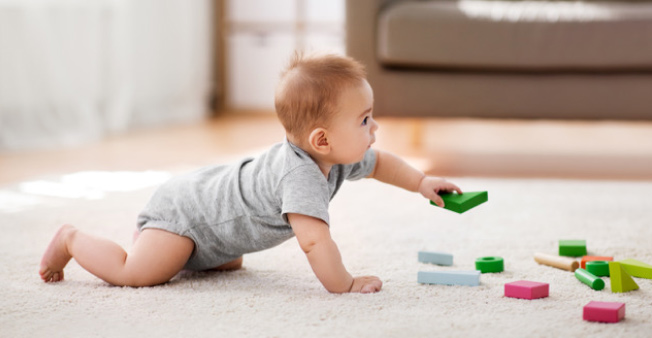
Another common piece of advice that often confuses is the notion that “crawling isn’t a milestone” or that “skipping crawling is fine.” While it’s true that not every child crawls in the hands-and-knee pattern, and some bypass it to walk directly, dismissing the importance of crawling misses its developmental benefits. This myth stems from a misunderstanding of what milestones represent and the interconnectedness of early motor skills. Crawling is not merely a means of getting from point A to point B; it’s a complex, whole-body activity that integrates crucial neural pathways and strengthens foundational skills. It requires bilateral coordination (using both sides of the body together), builds core strength, develops shoulder and hip stability, and enhances visual-perceptual skills as the baby learns to navigate their environment. The alternating reciprocal movement of crawling is also crucial for brain development, including the development of spatial awareness and problem-solving skills later in life.
Instead of viewing crawling as optional, we encourage providing ample opportunities for floor play that naturally encourages crawling. Including plenty of unrestricted tummy time, allowing your baby to roll, pivot, and explore different positions. When they are ready, they will naturally begin to experiment with pushing up, rocking on hands and knees, and eventually, the coordinated movement of crawling. If your baby appears to be bypassing the crawling stage, a pediatric physical therapist (PT) can assess their movement patterns and suggest activities to encourage this vital developmental stage or identify any underlying reasons for alternative movement patterns. Embracing and facilitating crawling supports holistic development, setting the stage for more complex motor skills, improved coordination, and enhanced learning as your child grows.
A truly disheartening “form of propaganda” that parents sometimes encounter is being told, “Your baby is just lazy,” or “They’re just really big; that’s why they aren’t moving much.” Parents who feel that a legitimate concern about their child’s development may be dismissive. Babies are naturally driven to explore and move. Every infant is wired to learn, interact, and master new skills. When a baby consistently shows low motivation for movement, struggles significantly with gaining new motor skills, or seems genuinely disengaged with their environment, it’s a sign that something might be impeding their natural drive rather than a reflection of their personality. Attributing slow progress to “laziness” or body size can delay much-needed investigation and intervention. While babies come in all shapes and sizes, a child’s weight or height does not inherently dictate their motor development speed.
Instead of accepting these dismissive explanations, trust your instincts as a parent. If you feel your baby isn’t moving as much as expected for their age, or if they seem disengaged with motor play, it’s always appropriate to seek a professional evaluation. A pediatric physical therapist can assess your child’s motor skills, identify underlying musculoskeletal or neurological factors, developmental delays, and body tension, and provide tailored strategies or referrals to address these issues. Early assessment and intervention have a profoundly impactful effect. Because a child’s developing brain and body are highly adaptable, addressing challenges promptly often leads to more substantial developmental progress. The earlier any challenges are addressed, the more responsive a child’s developing brain and body are, usually leading to better outcomes and more efficient progress. Every baby deserves the opportunity to move, explore, and thrive, and addressing concerns proactively is a testament to confident, engaged parenting.
Perhaps one of the most pervasive pieces of “wait and see” propaganda that I hear is, “Just wait and see about development; all kids develop at their own pace.” While the sentiment that children progress individually is true, this advice can be profoundly detrimental when it leads to delaying intervention for legitimate developmental concerns. Waiting indefinitely can mean missing critical windows of neuroplasticity—periods when a child’s brain is most receptive to learning and adapting. For example, suppose a child is showing signs of a motor delay. In that case, early intervention can often be highly effective in “re-routing” pathways and promoting typical development, sometimes even preventing the need for more intensive therapies later on. This advice can be particularly insidious because it preys on a parent’s desire to believe their child is “normal” and will “catch up.”
Instead, embrace the philosophy that early assessment and intervention are key. If you have a gut feeling that something isn’t quite right with your baby’s development – whether it’s related to movement, feeding, or communication – don’t hesitate to voice your concerns to your pediatrician and request a referral to a specialist like a pediatric physical therapist, occupational therapist, or speech-language pathologist. Early intervention is designed to be play-based and integrate into your family’s routine. Being proactive means you are empowering your child with a support system. It’s a step towards ensuring they reach their full potential and preventing minor challenges from becoming more significant hurdles down the line. Trusting your instincts and seeking knowledgeable guidance is a sign of confident, engaged parenting, not over-worrying.
Another common misconception, sometimes fueled by social media trends, is the idea that “sit-ups help babies learn to sit.” You might see videos of parents holding their babies’ feet down or pulling them up by their hands into a sitting position, believing this strengthens their core or teaches them to sit. However, this approach completely bypasses the natural, functional development of sitting. Babies learn to sit not through isolated exercises but through active exploration, engaging their core muscles, and developing balance through varied movement. When you pull a baby into a sit-up, they often exhibit a “head lag” pattern and lack the necessary core engagement, which can potentially strain their neck and back muscles. This method doesn’t teach them the complex interplay of balance reactions and muscular control required for independent sitting.
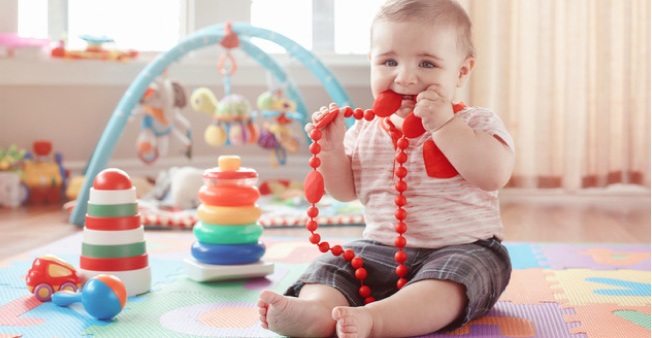
The most effective way to help your baby learn to sit is to provide abundant opportunities for floor play and tummy time. Floor play enables them to develop core strength naturally through rolling, pushing up on their arms, pivoting, and reaching. As their core and back muscles strengthen, they will naturally progress from lying to propping, then to independent sitting with proper alignment and balance reactions. Encouraging reaching for toys from their side while in various positions (like tummy time or side-lying) further engages their core and prepares them for the balance required for sitting. Embrace their natural developmental sequence; allowing them to explore and discover sitting on their own builds stronger, more functional muscles and a better understanding of their body in space.
When discussing tummy time, a common piece of “propaganda” implies that it’s “just for flat heads.” While tummy time is undoubtedly a crucial component in preventing and treating plagiocephaly (flat spots on the head), limiting its purpose to head shaping vastly underestimates its profound importance for overall motor and sensory development. This narrow view can lead parents to de-prioritize tummy time once their baby’s head shape improves or to dismiss it altogether if a flat spot isn’t a concern. However, tummy time is far more than just head repositioning; it’s the foundational building block for virtually every gross motor skill your baby will achieve.
Instead of seeing it as a singular fix, view tummy time as the “power play” for your baby’s development. It’s where they strengthen their neck, shoulder, and back muscles, which are essential for head control, rolling, sitting, crawling, and eventually walking. It allows them to develop visual tracking skills as they lift their head to look around. It provides crucial proprioceptive and tactile sensory input as they push off surfaces and bear weight through their arms. Making tummy time a consistent part of your baby’s day, even in short bursts, promotes optimal motor development, enhances sensory integration, and builds the strength necessary for all future movements. Make it fun and engaging with toys, mirrors, and your enthusiastic interaction, making it a positive and purposeful part of your daily routine.
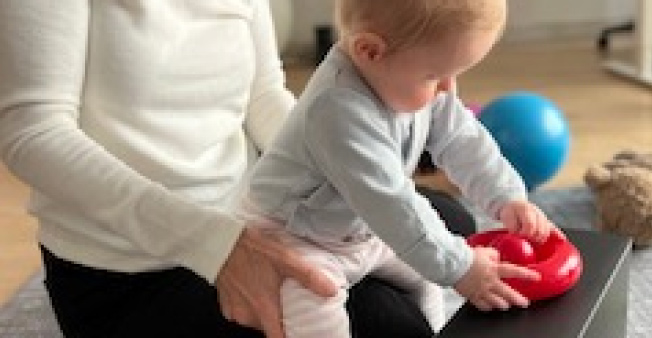
Another form of “propaganda” that often undermines current best practices is the sentiment, “My baby never crawled or did tummy time and is fine,” or “We used this back in the day, and they turned out fine.” While it’s true that individuals who experienced different parenting styles or developmental paths are indeed “fine” and successful adults, this anecdotal evidence doesn’t negate the advancements in our understanding of child development and safety. Our knowledge of how motor skills contribute to cognitive development, sensory processing, and even academic readiness has evolved significantly. Once standard practices, such as placing babies on their tummies to sleep (now known to be a risk factor for SIDS) or using infant walkers (now understood to delay independent walking and pose safety hazards), are now recognized as less than optimal or even dangerous. The goal isn’t just “fine”; it’s optimal development and safety based on the best available evidence.
Embrace the understanding that science and research continuously refine our best practices. What we know now about child development is far more comprehensive than what was known even a generation ago. Our current recommendations are rooted in research aimed at promoting the healthiest and safest outcomes for children. Including prioritizing back-to-sleep for infants, encouraging ample supervised floor play over restrictive devices, and understanding the interconnectedness of various motor milestones. Learning from the past is valuable, but adapting to new, evidence-based information allows us to provide the most effective support for our children. It’s about moving forward with knowledge, not dismissing it because “it worked for me.”
The “propaganda” that “baby walkers help babies develop and walk early” is a persistent and misleading myth. These devices, often seen as a convenient way to entertain a baby and perhaps give them a “head start” on walking, can be detrimental to typical motor development and pose significant safety hazards. Walkers position a baby’s body in an unnatural posture, encouraging toe walking and neglecting the crucial core and hip strength needed for independent walking. They allow babies to move at speeds they cannot control independently, leading to countless injuries from falls, tipping over, or accessing dangerous items. The belief that they aid early walking is entirely false; research shows they can delay independent walking.
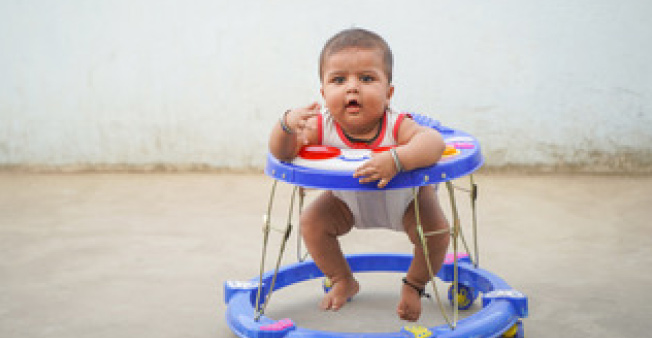
Instead of relying on baby walkers, prioritize unrestricted floor time and supervised exploration, allowing your baby to naturally develop the strength, balance, and coordination essential for crawling, cruising, and walking. Provide a safe, open space where they can roll, sit, pivot, push up, and practice pulling themselves to a standing position. Use sturdy furniture as safe cruising aids. This active, self-directed movement promotes optimal development by strengthening the correct muscles and allowing your baby to develop the complex balance reactions necessary for independent mobility. Choosing active floor time over restrictive devices is a positive step towards nurturing truly robust and functional motor skills.
Another common piece of marketing “propaganda” suggests that “a baby needs fancy bassinets and gear for good sleeping.” The market is flooded with expensive, high-tech bassinets, swings, and gadgets promising to lull your baby into perfect slumber. Parents often develop anxiety, feeling they must acquire these items for their baby to sleep well or that their struggles with sleep are due to a lack of the “right” equipment. While some gear can be helpful for specific situations or preferences, the fundamental principles of healthy sleep for infants are simple and do not require exorbitant investments.
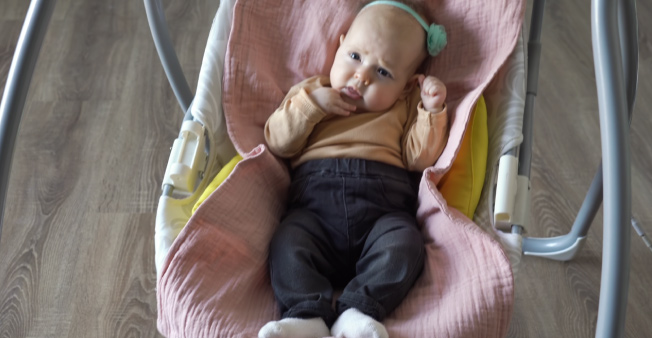
Instead of chasing the latest sleep gadget, focus on establishing a safe and simple sleep environment, along with consistent routines. A firm, flat sleep surface (crib or bassinet) with a fitted sheet free of blankets, pillows, or bumper pads is perfect. It means a dark, quiet, and cool room. Most importantly, it means consistency in bedtime routines and responsiveness to your baby’s cues. Prioritize developing healthy sleep associations by incorporating comforting rituals, such as baths, gentle rocking, reading, and singing. Empower yourself with knowledge about safe sleep guidelines and age-appropriate sleep needs rather than feeling pressured by marketing to buy unnecessary items. Simplicity, safety, and consistency are the true cornerstones of promoting healthy sleep habits, enabling your baby to sleep soundly and you to rest more easily.
For parents dealing with conditions like torticollis (a head tilt caused by muscle tightness), a particularly unhelpful piece of “propaganda” is the simplistic advice: “Just put toys on the other side for torticollis.” While encouraging a baby to look in a specific direction can be a small part of a home program, it is far from a comprehensive treatment for torticollis. This advice often leads parents to believe the condition is minor and easily fixed, delaying professional assessment and adequate intervention. Torticollis involves muscle imbalances and usually subtle positional preferences that require a thorough understanding of a baby’s anatomy and development. Untreated or inadequately treated torticollis can lead to head shape deformities (plagiocephaly), facial asymmetry, and delays in gross motor skills, such as rolling, sitting, andcrawling, as the baby struggles to move symmetrically.
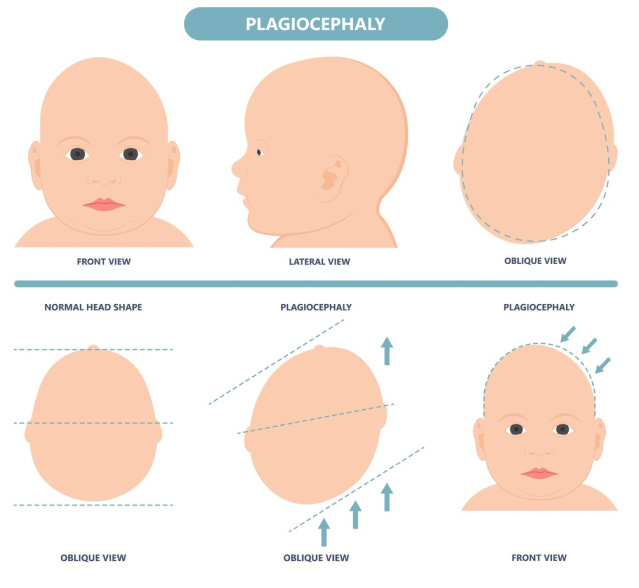
Instead of relying on a simplistic fix, seek a comprehensive assessment and treatment plan from a pediatric physical therapist if you suspect your baby has torticollis. A PT will evaluate the range of motion in your baby’s neck, assess their head shape, observe their overall motor development, and identify any compensatory patterns and body tension. Treatment involves specific exercises, positioning, and strengthening activities to promote symmetrical movement, as well as strategies to integrate these into daily routines and play. Early identification and diagnosis, along with therapy, are crucial for optimal outcomes, often resolving the condition completely and preventing secondary complications. Empower yourself by seeking specialized expertise, ensuring your baby receives the targeted support they need for symmetrical and healthy development.
Another subtle piece of “‘propaganda”‘ that can undermine crucial early learning is the idea that “‘structured play isn’t the best thing for growing babies; they just need to chill out, not ‘work’ on playing!“‘ This often comes from a well-intentioned desire to avoid over-scheduling children. Still, it can be misinterpreted to mean that intentional, purposeful play isn’t important for development. The truth is, for babies, play is their work. It’s how they learn about their bodies,their environment, and the world around them. While unstructured play is important, creating opportunities for facilitated or skill-building play is also highly beneficial. Dismissing the concept of purposeful play can lead to missed opportunities for critical developmental stimulation.
Instead, embrace play as the primary vehicle for your baby’s learning and development, and recognize that purposeful interaction within play is a powerful tool for fostering growth and development. It doesn’t mean rigid schedules or drills. It means engaging with your baby during floor time – reaching for toys to encourage visual tracking and rolling, placing objects just out of reach to motivate movement, talking and singing to foster language development, and varying positions to promote balance and strength. Purposeful play involves creating opportunities for exploration, interaction, and skill development. It’s about being present, responsive, and intentionally setting up situations where your baby can naturally practice emerging skills, fostering not just physical development but also cognitive, social, and emotional growth.
Finally, the widespread misconception “But I did it this way, and I’m fine!” can be challenging to debunk. The sentiment, often said by well-meaning friends or family members, suggests that because a particular practice didn’t overtly harm them, it must be safe or effective. This perspective overlooks the significant advancements in pediatric health, safety, and research regarding developmental outcomes. While a person may have indeed “turned out fine,” it doesn’t mean that certain past practices were optimal or that we shouldn’t strive for better, safer, and more effective approaches based on current information. Its “fine” argument can dismiss legitimate concerns or discourage parents from adopting evidence-based practices that best support their child’s well-being.
Instead of clinging to traditional approaches, let’s adopt a positive shift towards parenting grounded in modern scientific understanding and robust evidence. A wealth of research now clarifies areas such as infant sleep safety, optimal motor development, the enduring impact of early environments, and the significant benefits of early intervention. We’re not talking about shaming previous generations; it’s about using the knowledge we now have to provide the best possible start for our children. As pediatric physical therapists, our value stems from our commitment to continuous learning and the application of the latest research to help your child thrive. We are movement experts with advanced training and education dedicated to assessing, diagnosing, and treating developmental concerns with the same scientific rigor you would expect from any medical professional. Relying on the latest expertise and actively seeking new insights enables you to make the most informed decisions for your little one with confidence.
Ultimately, confident parenting isn’t about adhering to every single piece of advice you receive or following popular trends. It’s about being informed, discerning, and trusting your instincts while leaning on the expertise of professionals when needed. You are your child’s best advocate. By understanding the common misconceptions and embracing evidence-based practices, you can cut through the noise and create a nurturing environment that genuinely supports your child’s optimal growth and development. Beyond the daily tasks of parenting, you’re building a foundation for a lifetime of movement, learning, and overall well-being. And that’s something worth celebrating with every confident step.