
 As a pediatric physical therapist, one of the most common questions I hear is, “How do I know if my baby needs physical therapy?” It is a thoughtful question and one that deserves more than a simple checklist of milestones.
Parents today have access to more information than ever. Social media, milestone charts, parenting groups, and advice from family and friends can be helpful but also overwhelming. One source says to wait. Another says to worry. Soon, uncertainty replaces confidence.
My goal has always been to turn confusion into confidence, which is the foundation of Baby Wellness.
Baby Wellness is not about searching for problems or assuming every baby needs therapy. It means understanding movement, supporting healthy development, answering questions early, and giving families the knowledge to help their child thrive. Sometimes it means providing reassurance, sometimes offering simple strategies to encourage development, or identifying concerns early when intervention has the greatest impact.
Looking Beyond Milestones
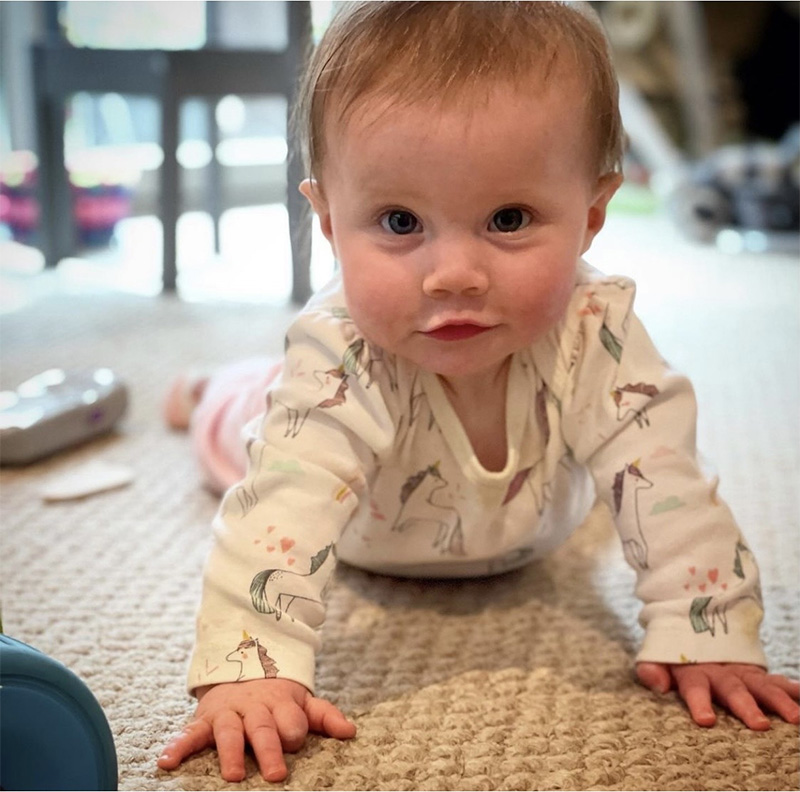
Parents tend to focus on when their baby reaches a milestone, while pediatric physical therapists focus on how the baby reaches it. Can your baby lift their head comfortably during tummy time? Are they using both sides of their body equally? Do they move with symmetry and control? Are they developing the strength and postural stability needed for the next skill? Movement tells a story long before a milestone is missed.
A baby may be rolling, sitting, or standing while relying on compensations that make future skills harder. Another baby may not have reached a milestone but shows excellent movement quality and just needs more time. Looking beyond milestone charts helps us appreciate each child’s unique journey and recognize when support is needed.
What Is Baby Wellness?
Most people think of wellness visits as routine appointments monitoring growth, nutrition, hearing, vision, and health. Movement deserves the same attention. Baby Wellness is a proactive approach that observes how babies move, educates parents about healthy motor development, and provides guidance supporting lifelong movement.
It recognizes healthy development is influenced by everyday experiences. Tummy time, floor play, reaching, rolling, crawling, carrying and feeding positions, opportunities for exploration, and limiting unnecessary time in containers all contribute to strength, balance, coordination, and motor learning.
Baby Wellness complements pediatric care by focusing on one of the earliest ways babies learn about themselves and the world around them: movement.
When Should Your Baby See a Pediatric Physical Therapist?
Many families assume they should wait until there is a developmental delay before seeking an evaluation. In reality, earlier questions often lead to earlier answers.
You may benefit from an evaluation if your baby has difficulty tolerating tummy time, prefers looking to one side, consistently tilts their head, has flattening on one side of the head, uses one arm or leg more than the other, seems unusually stiff or floppy, was born prematurely, was in a breech position, has difficulty rolling, sitting, crawling, or other motor skills, shows little interest in moving or exploring, has a complicated birth or medical history, or if you simply feel something is different.
Parents know their babies better than anyone else. While parental concern does not always indicate a problem, it should always be respected. Seeking guidance does not mean you are overreacting. It means you are looking for information.
What Happens During an Evaluation?
Many parents worry that a physical therapy evaluation means their child will need ongoing treatment. That is not true. An evaluation helps understand your baby’s movement. During the visit, I listen to your concerns, learn about your baby’s medical history, understand daily routines, and answer questions. Then, I observe how your baby moves. I assess posture, muscle tone, symmetry, strength, balance, movement variability, transitions between positions, and age-appropriate motor skills. I focus on movement quality rather than just milestones. Every evaluation is individualized because every baby develops differently. By the end, parents leave with a clearer understanding of their baby’s strengths, areas needing attention, and practical recommendations to use immediately.
Sometimes Reassurance Is the Best Outcome
One of the most rewarding parts of my profession is reassuring parents when their baby’s development is progressing well. Not every evaluation leads to therapy. Sometimes families just need confirmation their baby is developing appropriately and reassurance that a variation is typical. Parents may need a few positioning ideas, tummy time suggestions, or activities to encourage the next stage. Knowledge replaces uncertainty, and confidence replaces worry. That confidence lets parents enjoy their baby’s development instead of questioning every movement.
Why Early Guidance Matters
The first year of life is a remarkable period of growth. Babies learn constantly through movement. Every reach strengthens muscles, and every roll teaches weight shifting. Movement builds postural control, and exploration supports motor learning. When movement challenges are recognized early, simple strategies often encourage more efficient patterns before compensations form. Early guidance is not about rushing development or expecting babies to meet milestones on an exact timeline. It is about creating opportunities for healthy movement and giving families knowledge to support development naturally.
The Important Role Parents Play
Parents are their baby’s first and most important teachers. Therapy sessions may occur once a week, but development happens every day.
Simple moments during the day often become the most valuable learning opportunities. Everyday routines can strengthen the core, improve balance, and develop coordination. Parents do not need expensive equipment or complicated programs. They need knowledge, confidence, and practical strategies that fit naturally into family life.
Turning Confusion into Confidence
Every family wants the best for their child. Most are not looking for therapy. They are looking for answers. Baby Wellness is about meeting families where they are, listening to their concerns, celebrating their baby’s strengths, and providing guidance that supports healthy development from the very beginning.
Pediatric physical therapy will always play a vital role in helping children with developmental delays and disabilities reach their fullest potential. It also has an important place in Baby Wellness by helping families understand movement before concerns become bigger challenges. If you have questions about your baby’s development, trust your instincts. Asking questions does not mean something is wrong; knowledge is empowering.
When families have the knowledge to recognize healthy development, understand variations, and know when to seek guidance, they become confident partners in their child’s journey. It is the heart of Baby Wellness, and that is how we turn confusion into confidence.