
Supporting Premature Babies in NYC & the Hamptons
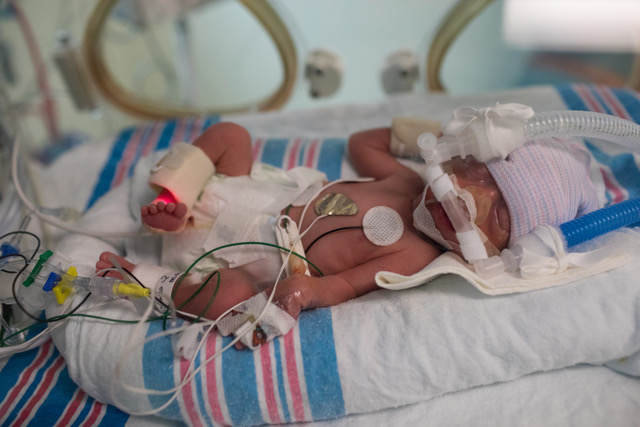
Babies born prematurely often follow a different developmental timeline than full-term babies. Parents may have questions about head control, tummy time, rolling, sitting, crawling, muscle tone, or when their baby should reach certain milestones.
Prematurity does not automatically mean a baby will have a developmental delay. However, babies born early may benefit from closer developmental monitoring, especially during the first year or two.
At Motor Skills Matter, developmental evaluation looks beyond whether a baby has reached a milestone. How a baby moves, the quality and symmetry of movement, muscle tone, strength, postural control, and the way skills are developing over time are equally important.
Understanding Corrected Age
Corrected age is an important part of evaluating premature baby development. A baby’s chronological age is calculated from the birth date. Corrected age accounts for how many weeks early the baby was born. For example, a baby born two months early who is now six months old chronologically would be approximately four months corrected age.
Developmental expectations are generally considered in relation to corrected age during infancy. This gives a more accurate picture of a premature baby’s development than comparing only with full-term babies of the same chronological age. Corrected age is only one part of the developmental picture. Movement quality, progression, medical history, and the baby’s individual development are also important.
Why Premature Babies May Develop Differently
The final weeks of pregnancy are an important period for growth and neurological development. When a baby is born early, development continues outside the uterus in a very different environment.
Premature babies may have experienced medical complications, respiratory support, feeding difficulties, prolonged hospitalization, or limited opportunities for typical movement during the NICU stay. Some babies born prematurely develop without significant motor concerns. Others may show differences in muscle tone, strength, postural control, coordination, or movement patterns. Early developmental follow-up can help identify these differences and determine whether additional support is needed.
Muscle Tone and Prematurity
Muscle tone can look different in babies born prematurely. Some premature babies have lower muscle tone and may appear more relaxed or have difficulty working against gravity. Others may develop increased body tension or use extension frequently, appearing stiff or arching through the trunk.
Muscle tone and strength are not the same thing. A baby with low muscle tone may have weakness, but the two need to be evaluated separately. Similarly, a baby who appears strong because of stiffness or extension may still have difficulty with controlled movement. A pediatric physical therapy evaluation assesses muscle tone along with strength, posture, movement quality, symmetry, and motor development.
Tummy Time for Premature Babies
Tummy time is particularly important for babies born prematurely, but it may also be challenging. A premature baby may have spent an extended period in the hospital, may have experienced respiratory or feeding difficulties, or may simply have less strength for working against gravity. Tummy time does not have to start with long periods on a flat floor. You can adjust positioning to meet the baby's current abilities and gradually progress as strength and tolerance improve. The goal is to give the baby opportunities to develop head control, shoulder stability, trunk strength, and early weight shifting without creating unnecessary frustration or fatigue.
Torticollis, Head Preference and Prematurity
Premature babies may develop a preference for turning the head toward one side, particularly after extended positioning during hospitalization. A persistent head preference or head tilt may contribute to asymmetrical movement and can increase the risk of positional head-shape changes. Early evaluation can determine whether a baby's head preference is related to positioning, limited neck mobility, torticollis, or another factor.
Prematurity and Head Shape
Babies born prematurely may be more vulnerable to positional head-shape changes because their skulls are particularly soft and they may spend extended periods in supported positions. Consider head shape alongside neck mobility, head preference, positioning, tummy time, and overall motor development. When appropriate, objective cranial measurements can also assess and monitor asymmetry over time.
Watching How a Premature Baby Moves
Milestones are useful but do not provide the full developmental picture. A baby may technically be rolling, sitting, or beginning to crawl while still showing movement patterns that deserve attention. A developmental evaluation considers whether the baby uses both sides of the body, how easily weight shifts occur, whether movement is varied, how much effort a skill requires, and whether the baby can move into and out of positions independently. These details can identify subtle motor differences before they become more established.
Rolling, Sitting and Early Motor Skills
Premature babies should not be rushed toward milestones based only on chronological age. Rolling, crawling, standing, and walking depend on the strength and postural control that develop before those skills appear. For example, independent sitting involves much more than remaining upright after being placed in a sitting position. A baby also needs trunk control, balance reactions, rotation, weight shifting, and eventually the ability to transition into and out of sitting. Physical therapy can help support these underlying skills when they are difficult.
When a Premature Baby Needs Physical Therapy
Not every baby born prematurely needs physical therapy. Some babies benefit from developmental monitoring and parent education without requiring ongoing treatment. Physical therapy may help when a baby has difficulty with head control, tummy time, rolling, sitting, transitions, crawling, standing, or other age-appropriate motor skills, taking corrected age into account. Other reasons for evaluation may include significant asymmetry, torticollis, head-shape concerns, unusual stiffness or body tension, low muscle tone, weakness, difficulty bearing weight, or movement that consistently relies on one side of the body. An evaluation is not meant to assume something is wrong just because a baby was premature. It determines how the baby is developing and whether additional support would help.
Developmental Evaluation for Premature Babies
A pediatric physical therapy evaluation begins with the baby's medical, pregnancy, birth, and NICU history. The evaluation may include observation of spontaneous movement, muscle tone, strength, posture, symmetry, range of motion, head and trunk control, tummy time, rolling, sitting, transitions, floor mobility, standing, and other skills appropriate for the baby's corrected age. Standardized developmental assessment may also be used when appropriate. Standardized scores provide useful information but are combined with clinical observation of how the baby moves.
The Importance of Early Developmental Follow-Up
Development during infancy changes quickly. A movement pattern that is subtle at three or four months may become more noticeable as a baby begins rolling, sitting, crawling, or standing. Developmental follow-up provides an opportunity to monitor those changes over time. Early identification does not mean assuming a baby will have long-term difficulties. It allows families and healthcare providers to respond when support is useful rather than waiting until differences become more pronounced.
Baby Equipment and Premature Babies
Parents of premature babies are often eager to provide equipment that will help their baby become stronger or reach the next milestone. More equipment does not always lead to better motor development. Floor time gives babies opportunities to move against gravity, shift weight, reach, roll, pivot, and experiment with movement on their own. Baby seats, standing devices, jumpers, and other supported equipment may limit those opportunities when used for extended periods or before a baby has necessary postural control. Equipment choices should reflect the baby's corrected age, strength, motor abilities, and individual needs.
Supporting Development Without Overwhelming Your Baby
Premature babies may tire more easily, particularly when they are working on a new motor skill. More practice is not better if movement quality deteriorates with fatigue. Short, successful movement periods throughout the day may be more useful than one long exercise session. Positioning, floor play, tummy time, reaching, rolling, and other developmental activities can often be incorporated naturally into everyday routines. The goal is to provide opportunities for movement without making every interaction feel like therapy.
Early Intervention and Private Pediatric Physical Therapy
Babies born prematurely may qualify for Early Intervention depending on their developmental and medical history. Early Intervention can provide valuable developmental services at home or in the community. Private pediatric physical therapy may complement Early Intervention when families want an additional developmental assessment, specialized infant motor expertise, more focused treatment, or periodic monitoring. These services can work together when appropriate.
In-Home Physical Therapy for Premature Babies in NYC & the Hamptons
Evaluating a premature baby at home provides an opportunity to see how movement happens in the baby's everyday environment. The therapist can observe floor space, tummy-time positioning, feeding and play setups, baby equipment, and how parents already support movement. Recommendations can be incorporated into daily routines, so they don't require a separate therapy environment. Motor Skills Matter provides in-home developmental evaluations and pediatric physical therapy for premature babies throughout NYC and the Hamptons.
Experience With Premature Babies and NICU Follow-Up
Dr. Tara Liddle, PT, MA, DPT, PCS, is a Board-Certified Pediatric Clinical Specialist with more than 30 years of experience working with babies and children. Her background includes 19 years in NICU and neonatal developmental follow-up, giving her extensive experience evaluating early movement and development in premature and medically complex infants. She is NDT certified and has advanced training in pediatric movement and neuromuscular treatment. Dr. Liddle is the author of Why Motor Skills Matter: Improve Your Child's Physical Development to Enhance Learning and Self-Esteem.
Frequently Asked Questions About Premature Baby Development
- What is corrected age?
Corrected age adjusts a premature baby's chronological age based on how early the baby was born. It is commonly used when considering developmental expectations during infancy.
- Should I compare my premature baby with babies of the same chronological age?
Corrected age is generally more useful when considering early developmental milestones in babies born prematurely. However, you shouldn't judge development by age alone. Movement quality, medical history, progression, strength, muscle tone, and the baby's individual development also matter.
- Does every premature baby need physical therapy?
No. Many premature babies progress well without ongoing physical therapy. Others benefit from developmental monitoring, parent education, or treatment when specific motor concerns are identified.
- My premature baby seems stiff. Is that normal?
Some premature babies show increased body tension or extension, while others have lower muscle tone. Because stiffness or arching can have many causes, a developmental evaluation can determine whether what you see is part of the baby's current movement pattern or needs further attention.
- My premature baby is not rolling yet. Should I be concerned?
Consider the baby's corrected age, strength, movement quality, and developmental progression. Rather than viewing rolling as an isolated milestone, assess the skills developing underneath it, including head control, trunk rotation, weight shifting, reaching, and the ability to use both sides of the body.
- When should a premature baby start sitting?
Development varies, and you should consider corrected age. Sitting involves more than remaining upright after being placed. Trunk control, balance, rotation, reaching, and transitions are important parts of the skill.
- Can you work with my baby if we already receive Early Intervention?
Yes. Private pediatric physical therapy can complement Early Intervention when you want additional assessment, infant motor expertise, focused treatment, or developmental monitoring.
- Do you offer developmental checkups for premature babies who do not need regular PT?
Yes. A Baby Wellness & Developmental Checkup helps families assess their baby's movement and motor development without assuming ongoing physical therapy is needed.
Supporting Your Premature Baby’s Development
Premature babies bring their own medical histories, developmental timelines, strengths, and movement patterns. Corrected age provides important context but is only part of understanding development. Careful observation of how a baby moves can help determine whether development is progressing well, whether a skill needs more time, or whether additional support may be helpful. Motor Skills Matter provides developmental evaluations and in-home pediatric physical therapy for premature babies throughout NYC and the Hamptons.
Contact Motor Skills Matter to schedule a developmental evaluation or Baby Wellness & Developmental Checkup.