
Pediatric Physical Therapy in NYC & the Hamptons
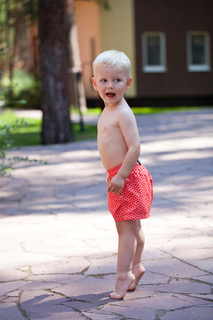
Many children experiment with walking on their toes, especially when they are first learning to walk. You may notice it occasionally when your child is excited, barefoot, or running. Another child may spend much of the day on their toes or begin having difficulty getting the heels completely to the floor.
Parents often ask me when toe walking becomes something they should be concerned about.
I don't look at toe walking as a diagnosis by itself. I want to understand why your child is walking this way, how often it happens, whether the pattern is changing, and whether it is affecting flexibility, balance, gait, or everyday activities.
What Is Toe Walking?
Toe walking describes a walking pattern in which your child walks on the balls of the feet or toes with limited or no heel contact with the ground.
The pattern can look very different from one child to another. Your child may occasionally rise onto the toes, do it primarily when barefoot or excited, or toe walk more when running or tired. Some children walk on their toes most of the time, while others use one side differently from the other.
Some children can easily stand and walk with both heels down when asked. Others gradually develop calf tightness and have more difficulty bringing the heels completely to the floor.
Those differences matter. Toe walking is not one single condition, and children who toe walk should not automatically receive the same treatment.
Is Toe Walking Normal When a Child First Learns to Walk?
Occasional toe walking can occur during early walking as children experiment with balance and movement. I pay more attention to what happens as your child's walking develops.
Is your child increasingly using a heel-to-toe pattern? Can both heels rest comfortably on the floor during standing and squatting? Does toe walking happen only occasionally, or has it become the primary way your child walks?
I also look at whether your child can change the pattern when asked, whether ankle mobility is decreasing, and whether toe walking is beginning to affect balance, running, stairs, or play.
Those details help me decide whether the pattern is part of early movement exploration or deserves a closer look.
Toe Walking Is an Observation, Not a Diagnosis
There are many reasons a child may walk on their toes.
In some children, no underlying medical condition is identified. This may eventually be described as idiopathic toe walking after other causes have been considered.
For other children, toe walking may occur along with limited ankle mobility, calf tightness, weakness, differences in muscle tone, balance or postural-control difficulties, sensory preferences, developmental differences, orthopedic conditions, neurological conditions, or other medical factors.
I don't want to assume the cause based only on the way your child walks. I want to understand what is contributing to the pattern.
How Often Your Child Toe Walks Matters
Frequency gives me useful information.
There is a meaningful difference between a child who occasionally rises onto the toes and a child who spends much of their walking time without heel contact.
I will ask you how often you notice it, whether it is becoming more frequent, and whether your child walks on the toes more than half the time. I also want to know whether your child can walk with the heels down when reminded and, if so, how long that heel-to-toe pattern lasts.
I pay particular attention when the pattern is becoming more established or appears differently on one side.
Ankle Mobility and the Gastrocnemius-Soleus Complex
One of the first areas I assess is ankle mobility.
For an efficient heel-to-toe walking pattern, your child needs adequate ankle dorsiflexion, which allows the shin to move forward over the foot during walking.
The gastrocnemius and soleus muscles make up much of the calf complex and can influence this movement. When a child spends significant time walking on the toes, the gastrocnemius-soleus complex may become increasingly tight.
I look at ankle range carefully because there is an important difference between a child who can comfortably bring the heels down and a child whose available range is becoming restricted.
Toe Walking Is Not Always About Tight Calves
A child can have good ankle mobility and still walk on the toes.
When that happens, simply stretching the calf muscles doesn't explain or address the whole pattern.
I look beyond the ankles at lower-extremity strength, hip and trunk stability, foot and ankle control, balance, weight shifting, coordination, single-leg control, posture, sensory responses, and overall motor development.
Walking involves the whole body. Although the toes are the most visible part of the pattern, the way your child walks is influenced by what is happening at the feet, ankles, knees, hips, pelvis, and trunk.
Strength and Toe Walking
Weakness can sometimes contribute to toe walking, although the relationship isn't always straightforward.
I may see decreased control or strength through the trunk, hips, gluteal muscles, ankle dorsiflexors, or the muscles that stabilize the feet and ankles.
For some children, rising onto the toes may create a sense of stiffness or stability during movement. If that is happening, repeatedly telling your child to put the heels down doesn't address why the toe position feels easier.
Treatment needs to reflect the individual movement pattern I see during the evaluation.
Balance and Postural Control
Walking requires continuous balance. With every step, your child shifts body weight onto one leg while controlling forward movement and preparing the other leg for the next step.
Toe walking changes the base of support and the way your child's body interacts with the ground.
That is why I want to see more than a few steps across a room. I may watch your child squat, stand on one leg, walk over different surfaces, run, jump, climb, or change direction.
These activities often tell me much more about balance and postural control than walking alone.
Sensory Factors and Toe Walking
Sensory factors can contribute to toe walking for some children.
Your child may seek the sensation of being on the toes or respond differently to certain textures and surfaces under the feet. Toe walking can also occur in children who have broader sensory or developmental differences.
I don't assume that every child who toe walks has a sensory issue, and I don't want a sensory explanation to stop us from looking at the rest of the body.
Even when sensory factors appear relevant, I still assess ankle mobility, strength, balance, alignment, postural control, and gait mechanics.
Toe Walking and Autism
Toe walking is seen more frequently in children with autism spectrum disorder than in the general pediatric population. Toe walking by itself, however, does not mean that your child has autism.
For a child with autism who toe walks, there may be several contributing factors, including sensory, motor, musculoskeletal, or behavioral differences.
I still evaluate the physical components of walking, including ankle mobility, strength, balance, postural control, and functional gait, rather than attributing the pattern solely to the diagnosis.
When Toe Walking Needs Further Medical Evaluation
Most parents understandably focus on the feet when they first notice toe walking. Sometimes, however, the broader pattern tells me that additional medical evaluation would be appropriate.
I pay closer attention when toe walking begins suddenly after a period of typical heel-to-toe walking, occurs predominantly on one side, or appears with significant weakness, unusual muscle tone, pain, or a noticeable change in balance or coordination.
Loss of previously acquired motor skills or other neurological or developmental concerns also deserves medical attention.
These findings don't automatically mean something serious is wrong. They do mean that I want the walking pattern considered within your child's broader medical and developmental picture.
When appropriate, I may recommend follow-up with your child's pediatrician or another specialist.
What a Toe Walking Physical Therapy Evaluation Includes
A toe walking evaluation involves much more than watching your child walk down a hallway.
I begin with your child's developmental and medical history and ask when you first noticed the toe walking, how frequently it occurs, whether it happens on one or both sides, and whether the pattern has changed over time.
I assess ankle mobility, including the gastrocnemius-soleus complex, and look at strength, foot and ankle stability, alignment, balance, postural control, coordination, and functional movement.
Then I watch how your child actually moves.
I may observe walking barefoot and in shoes, running, squatting, stairs, jumping, single-leg balance, and other age-appropriate activities. My goal is to identify the factors that may be contributing to your child's toe walking rather than treating the visible gait pattern alone.
Physical Therapy for Toe Walking
Treatment depends on what I find during the evaluation.
A child with restricted ankle mobility needs a different approach from a child who has full ankle range but significant weakness, balance difficulty, or poor postural control.
I don't want treatment to consist of repeatedly telling your child, “Put your heels down.”
I want a heel-to-toe walking pattern to be physically available and easier for your child to use. Depending on your child's needs, treatment may address flexibility, strength, balance, foot and ankle stability, weight shifting, motor control, and gait.
Why Stretching Alone May Not Be Enough
Stretching can be useful when ankle range of motion is limited. But stretching by itself doesn't necessarily change a long-established walking pattern.
If your child has adequate flexibility but lacks strength, balance, or motor control, calf stretching may not address the main reason for toe walking.
Even when tightness is present, I want your child to actively use the available range.
Squatting, stepping, balance activities, gait training, and other purposeful movements can help connect improved flexibility with function.
The goal isn't simply more range of motion. It is range your child can use during movement.
Shoes, Bare Feet and Toe Walking
Parents often ask me whether a particular shoe will stop toe walking.
Footwear can influence movement, but shoes alone usually don't explain why your child walks on the toes.
During an evaluation, I may compare how your child walks barefoot, in shoes, and on different surfaces. Supportive footwear can help some children feel more stable or make heel contact easier. For others, changing shoes makes very little difference.
I make footwear recommendations based on your child's individual movement, alignment, stability, and needs rather than the diagnosis of toe walking alone.
Orthotics and Bracing
Not every child who toe walks needs orthotics or braces.
For some children, external support may be appropriate because of restricted ankle range, foot and ankle alignment, instability, or a persistent gait pattern. Other children may not benefit from it.
If we are considering orthotics or bracing, I look at your child's available ankle range, alignment, strength, balance, gait mechanics, frequency of toe walking, functional limitations, and response to previous intervention.
When needed, I can work with your child's pediatrician, orthopedist, physiatrist, or orthotist as part of the treatment plan.
Serial Casting
Serial casting is sometimes considered for children with persistent toe walking and significant limitations in ankle dorsiflexion.
It involves a series of casts used over time to gradually improve ankle range. It isn't necessary or appropriate for every child who walks on the toes.
If your child's ankle mobility is significantly restricted or progress with conservative treatment is limited, I may recommend discussing additional options with the appropriate medical specialist.
Improving passive ankle range is only one part of the process. Your child also needs opportunities to actively use that range during standing and walking.
Toe Walking Can Affect Other Activities
Persistent toe walking can affect more than the appearance of gait.
Depending on the child and severity of the pattern, it may influence balance, walking endurance, running, stairs, higher-level movement skills, sports, or the ability to keep up comfortably with peers.
Some children compensate very well and participate without difficulty. Others develop increasing tightness or functional limitations as they grow.
That is why I don't base treatment decisions simply on the presence of toe walking. I look at what the pattern is doing to your child's movement and function.
Earlier Evaluation Can Be Helpful
A young child who occasionally rises onto the toes and easily uses a heel-to-toe gait may simply need monitoring.
If toe walking is persistent, becoming more frequent, or accompanied by decreasing ankle flexibility, an earlier evaluation can help clarify what is happening.
A movement pattern that is repeated frequently can become more established over time. If ankle range also begins to decrease, changing the gait pattern may become more difficult.
An evaluation doesn't automatically mean your child needs ongoing physical therapy. Sometimes it confirms that monitoring is appropriate. Other times it identifies something worth addressing before it becomes more limiting.
Home Activities Should Be Purposeful
A long list of calf stretches isn't the right home program for every child who toe walks.
One child may need flexibility work. Another may need more emphasis on hip and trunk strength, balance, foot and ankle stability, or functional gait. Often there is a combination of factors.
I prefer to give you a manageable number of activities that fit into everyday movement and play.
The goal is consistency and purpose, not turning your child's day into therapy.
In-Home Pediatric Physical Therapy for Toe Walking
Seeing your child at home allows me to observe movement in the environment where it happens every day.
I can see how your child walks barefoot and in shoes, moves on stairs, navigates hallways, plays outside, and responds to different surfaces.
Your own environment can also become part of treatment. Stairs, curbs, grass, playgrounds, and familiar spaces can give us useful opportunities to work on balance, strength, gait, and functional movement.
Through Motor Skills Matter, I provide individualized in-home pediatric physical therapy for toddlers and children with toe walking concerns throughout NYC and the Hamptons.
Why Choose Motor Skills Matter?
I am Dr. Tara Liddle, PT, MA, DPT, PCS, a Board-Certified Pediatric Clinical Specialist with more than 30 years of experience working with babies and children.
My clinical experience includes pediatric gait, developmental differences, muscle tone, strength, balance, coordination, orthopedic concerns, and functional mobility. I am NDT certified and have advanced training in pediatric movement and neuromuscular treatment.
I am the author of Why Motor Skills Matter: Improve Your Child's Physical Development to Enhance Learning and Self-Esteem and a contributing author of the chapter “Physical Therapist Management of Cerebral Palsy” in Contemporary and Global Perspectives in Physical Therapy: Incorporating Clinical Practice Guidelines, published by Springer Nature.
When I evaluate toe walking, I look beyond the visible gait pattern. I want to understand why your child is moving that way and what may help make walking more efficient and functional.
Frequently Asked Questions About Toe Walking
- At what age should I be concerned about toe walking?
Occasional toe walking can occur when children are first learning to walk.
I become more interested when the pattern persists as your child gets older, becomes the primary way of walking, increases in frequency, or is accompanied by decreasing ankle mobility or other functional concerns.
- What if my child can walk with the heels down when I ask?
That is useful information.
It tells me that a heel-down position may be available, but it doesn't necessarily explain why your child repeatedly returns to the toes.
I also look at how often toe walking occurs, ankle mobility, strength, balance, gait mechanics, and whether your child can maintain a heel-to-toe pattern naturally without repeated reminders.
- Can tight calves cause toe walking?
Yes, limited flexibility of the gastrocnemius-soleus complex can contribute to toe walking.
The relationship can also go in the other direction. Persistent toe walking may contribute to increasing calf tightness over time.
That is why I assess both the walking pattern and available ankle mobility.
- Should I constantly remind my child to put their heels down?
Usually, repeated reminders alone aren't enough to change the reason your child is toe walking.
If there is limited ankle mobility, weakness, balance difficulty, poor stability, or a well-established movement pattern, those factors need to be addressed.
- Is toe walking always sensory?
No.
Sensory factors may contribute for some children, but toe walking can also be associated with musculoskeletal, motor, neurological, developmental, or habitual factors.
I look at all of these possibilities rather than assuming one explanation.
- Does toe walking mean my child has autism?
No.
Toe walking occurs more frequently among children with autism, but toe walking by itself does not mean your child has autism.
- Can physical therapy stop toe walking?
Physical therapy can address contributing factors such as restricted ankle mobility, weakness, balance, postural control, foot and ankle stability, and gait mechanics.
How much the walking pattern changes depends on your child's age, the underlying factors, available ankle range, and how established the pattern has become.
- Does every child who toe walks need physical therapy?
No.
Occasional toe walking in a young child who also walks comfortably with the heels down may simply need monitoring.
Persistent toe walking, increasing frequency, limited ankle mobility, asymmetry, or functional concerns are reasons I would consider a closer evaluation.
Wondering Why Your Child Walks on Their Toes?
You don't need to figure out the cause before seeking an evaluation.
If your child frequently walks on their toes, has difficulty getting the heels down, is developing calf tightness, or you are unsure whether the pattern is something to watch or address, I can evaluate the movement more closely.
My goal isn't simply to make your child's walking look different. I want to understand why the toe walking is happening and whether it is affecting mobility, balance, flexibility, endurance, or everyday function.
Sometimes the right recommendation is treatment. Sometimes it is monitoring. Either way, you should understand what you are seeing and why.
Through Motor Skills Matter, I provide expert in-home pediatric physical therapy for toe walking in toddlers and children throughout NYC and the Hamptons.
Contact me to schedule a pediatric physical therapy evaluation.